Understanding the Sustainable Farming Equipment Landscape
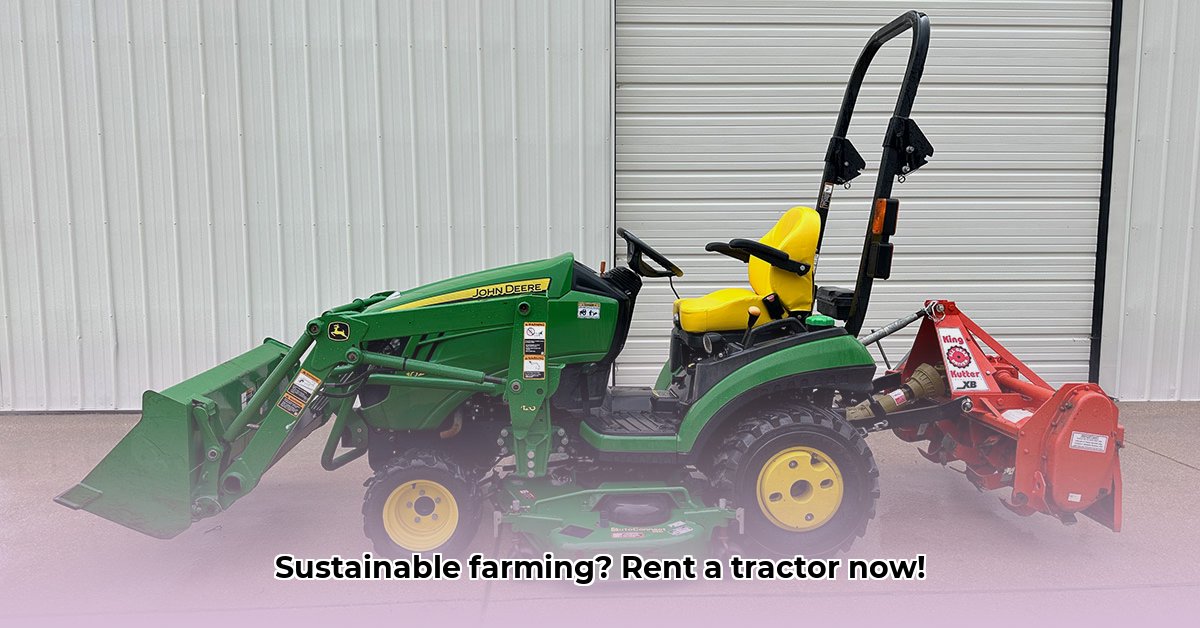
Sustainable farming is gaining momentum, driven by environmental concerns and consumer demand for ethically produced food. However, transitioning to sustainable practices often requires specialized equipment, and purchasing new machinery represents a significant upfront investment. This can be particularly challenging for smaller farms or those just beginning their sustainable journey. Renting tractors offers a viable solution, providing access to the necessary equipment without the hefty price tag of outright ownership. For more detailed cost information, check out this helpful resource on tractor rental costs. This guide will help you navigate the world of tractor rentals, ensuring you find the perfect fit for your sustainable farming operation.
The Tractor Rental Market: A Growing Opportunity
Demand for tractor rentals is experiencing substantial growth. More farmers are recognizing the financial and operational benefits of renting, especially for seasonal needs or specific tasks. However, the availability of rental tractors varies significantly across different regions. Some areas boast abundant options, while others face notable shortages. This regional disparity highlights the importance of thorough research when finding the right tractor for your farming needs. Understanding this market dynamic is crucial for making informed decisions. Do you know the rental availability in your area?
Choosing the Right Tractor: Tailoring Equipment to Your Practices
Selecting the appropriate tractor is paramount for successful sustainable farming. Your choice depends heavily on your specific farming methods (e.g., no-till, organic, agroforestry, precision agriculture). The tractor's power, attachments, and features should directly support your practices, maximizing efficiency and minimizing environmental impact. Let's explore some essential considerations:
Matching Tractors to Sustainable Farming Methods
The following table provides horsepower recommendations and essential attachments for various sustainable farming techniques. Remember that these are guidelines; your specific needs may vary based on farm size, soil type, and crop selection.
| Sustainable Farming Practice | Horsepower Recommendation | Essential Attachments | Considerations |
|---|---|---|---|
| No-Till Farming | 40-75 HP | Precision seeders, cover crop seeders | Minimizes soil disturbance, maximizing soil health; requires precise seed placement |
| Organic Farming | 30-60 HP | Cultivators, sprayers, organic fertilizer spreaders | Soil health is paramount; avoid heavy tillage; consider organic fertilizer application |
| Agroforestry | 25-50 HP | Mulching attachments, brush mowers | Managing trees and crops requires versatility; specialized attachments may be needed |
| Precision Agriculture | Variable | GPS guidance systems, sensors | Data-driven decision-making; requires advanced technology integration |
Finding and Renting a Tractor: A Step-by-Step Guide
Securing the ideal tractor rental involves careful planning and execution. Follow these steps to navigate the process smoothly:
Assess Your Needs: Before searching, identify your requirements: farm size, farming practices, necessary tasks (planting, tilling, spraying, harvesting), and budget. Thorough planning avoids costly mistakes.
Research Rental Companies: Explore online marketplaces, local equipment rental businesses, and seek recommendations from fellow farmers. Word-of-mouth can be incredibly valuable.
Compare Prices and Terms: Don’t focus solely on the daily rate. Consider insurance costs, maintenance responsibilities, fuel expenses, and contract duration. Read the fine print meticulously!
Inspect the Tractor: Before signing, thoroughly inspect the tractor for any mechanical issues, damage, or missing parts. Document the condition with photos. A pre-rental inspection is critical.
Understand the Rental Agreement: Carefully review the contract's terms, including payment schedules, insurance coverage, and procedures for damage or breakdowns. Consult legal advice if needed. This step guards against unforeseen problems.
Sustainable Practices and Tractor Attachments: Precision and Efficiency
Many sustainable practices depend on specialized equipment. For instance, no-till farming utilizes precision seeders to plant directly into existing ground cover, minimizing soil erosion. Organic farming frequently employs specialized sprayers for applying organic pesticides and fertilizers. The right attachments are crucial for success. What attachments are essential for your chosen method?
Long-Term Tractor Rental Strategies: Optimizing Costs and Access
For farmers with consistent equipment needs, short-term rentals might not be the most economical. Consider these alternatives:
Subscription Services: Explore subscription models for predictable monthly costs and streamlined equipment management. This option is gaining traction but isn't yet universally available.
Cooperative Purchasing: Pooling resources with fellow farmers to share rental costs can dramatically reduce individual expenses. This approach fosters community collaboration.
Used Tractor Purchases: If regular tractor use is anticipated, purchasing a used tractor could provide long-term cost savings compared to continuous rentals. Careful evaluation and maintenance are crucial.
Maintaining, Insuring, and Budgeting for Tractor Rentals
Regardless of your chosen rental strategy, remember these crucial aspects:
Maintenance: Adhere to the rental agreement's maintenance guidelines to prevent breakdowns and extend the tractor's lifespan. Regular maintenance is cost-effective in the long run.
Insurance: Secure adequate insurance coverage to protect yourself against accidents and damage. Protecting your investment is a must.
Budgeting: Plan your budget meticulously, including rental fees, fuel, maintenance, potential repairs, and insurance premiums. Careful budgeting prevents unforeseen financial strain.
Conclusion: Unlocking Sustainable Farming Success Through Tractor Rentals
Renting tractors provides a financially accessible and flexible path to sustainable farming. By carefully assessing your needs, researching rental options, and planning your budget, you can leverage rented equipment to advance your farm's sustainability and profitability. Embrace the opportunities presented by the growing tractor rental market, and stay informed about new developments and collaborative options. The future of sustainable agriculture is promising, and smart equipment choices play a crucial role.